
Vatican Guides: What to See, History and How to Visit
These guides explain what you'll see in the Vatican and how to see it: the Vatican Museums and the Sistine Chapel, which share a single ticket at 20 € at the ticket office, St Peter's Basilica, which charges no entry, and what lies beneath and around it. Each guide is based on the official websites of the Museums, the basilica and the state, and on Wikipedia for art and history. If you don't know where to start yet, first read what to see in the Vatican and how to plan the visit.
Plan your visit
Start here if it's your first time. The general guide tells you what to see in the Vatican and in what order, and the Vatican Museums guide explains the route through some 7 km (about 4.3 miles) of galleries, Monday to Saturday from 8:00 am to 8:00 pm, with last entry at 6:00 pm. If you'd like it explained in Spanish, see which tours have a Spanish-speaking guide or audio guide (that page is in Spanish). And if your trip is to see the Pope, the papal audience guide explains how to request tickets, which are always free.
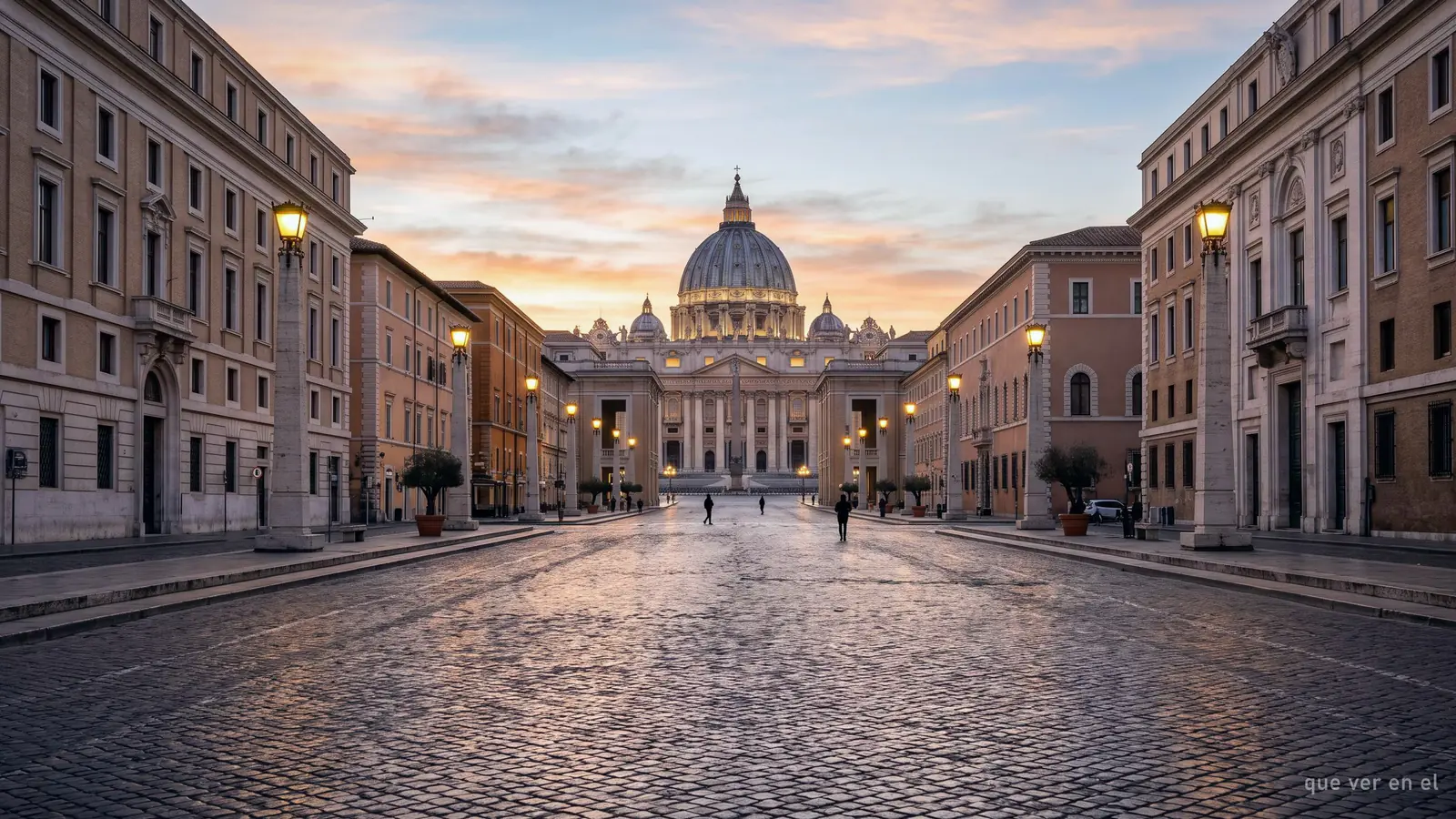
Vatican Tourist Guide: What to See and How to Plan Your Visit
A Vatican tourist guide: what is inside the Vatican and in what order to see it, from the Museums and Sistine Chapel to St. Peter's, with prices and rules.
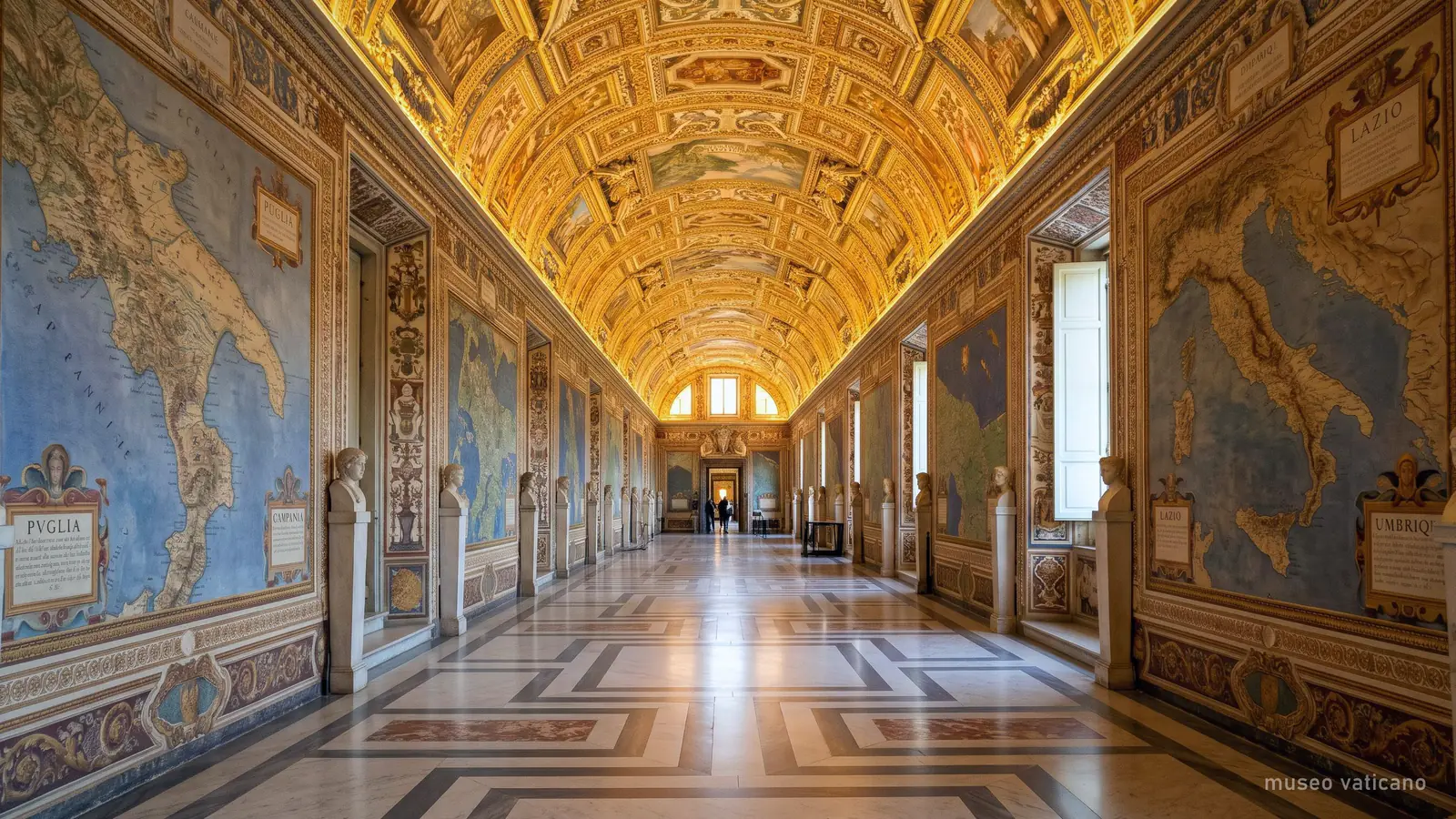
Vatican Museum Guide: What to See, the Route and a Map of Rooms
What to see in the Vatican Museum: how many museums it has, the route to the Sistine Chapel, the key works, how long you need and which ticket to choose.
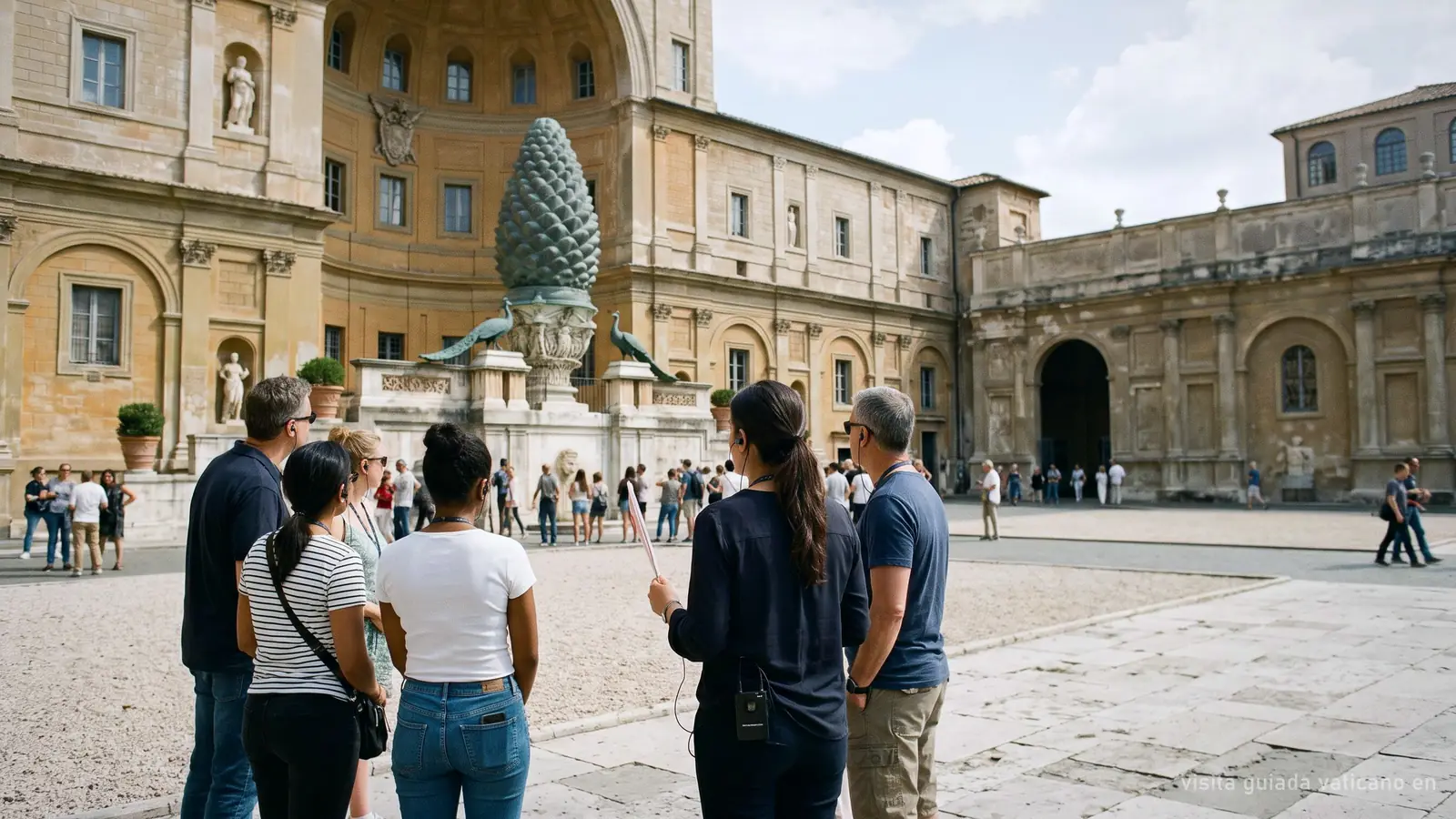
Visita guiada al Vaticano en español: tours y audioguías (Spanish)
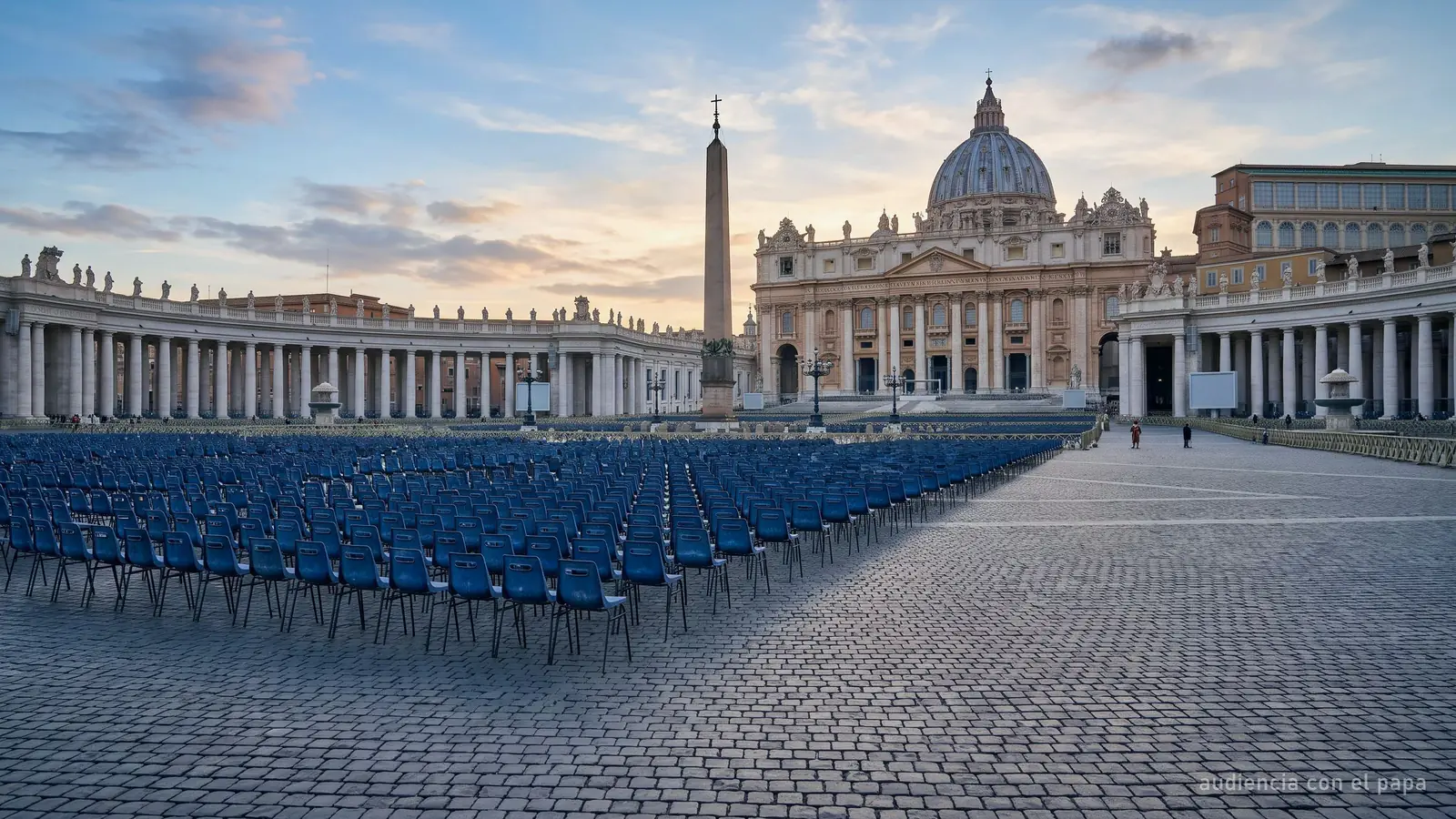
Papal Audience: How to Get Free Papal Audience Tickets
The papal audience is free: who hands out the tickets, how to request them, where it is held, what time to arrive and how to pair it with the Museums.
The Sistine Chapel and Michelangelo
The Sistine Chapel is on the same ticket as the Museums and it is the only room where photos and video are not allowed, so it pays to arrive knowing what to look at. Here you have the whole chapel, who painted it and when, and two guides to its best-known frescoes: The Creation of Adam, on the ceiling, and the Last Judgment, on the altar wall. Read them before you go: inside, silence is requested and your phone should be off, so you won't be able to look them up.
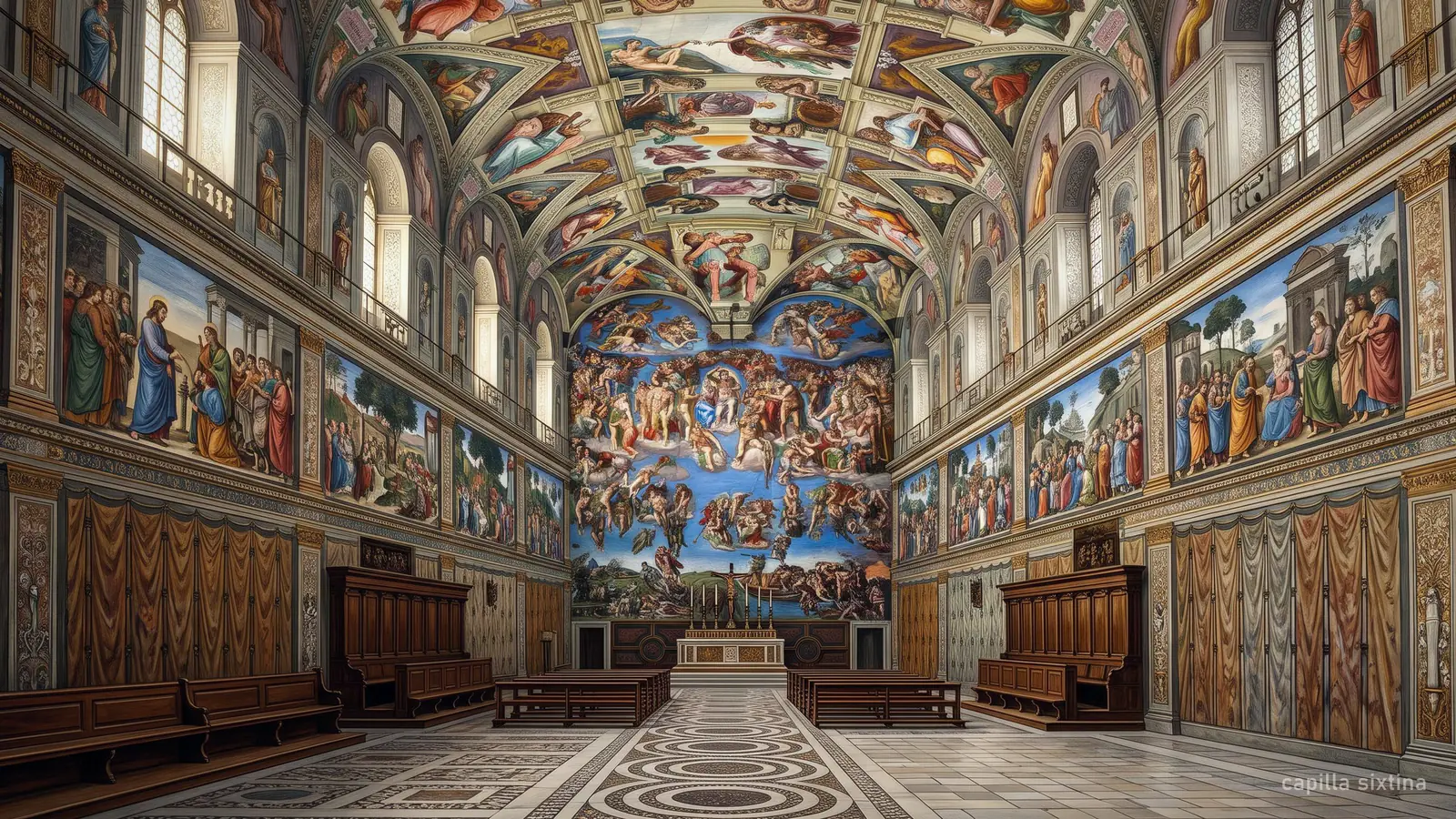
Sistine Chapel: Where It Is, Who Painted It and What to See
The Sistine Chapel is in the Apostolic Palace, at the end of the Vatican Museums. Who painted it, what to see on the ceiling and Last Judgment, how to enter.
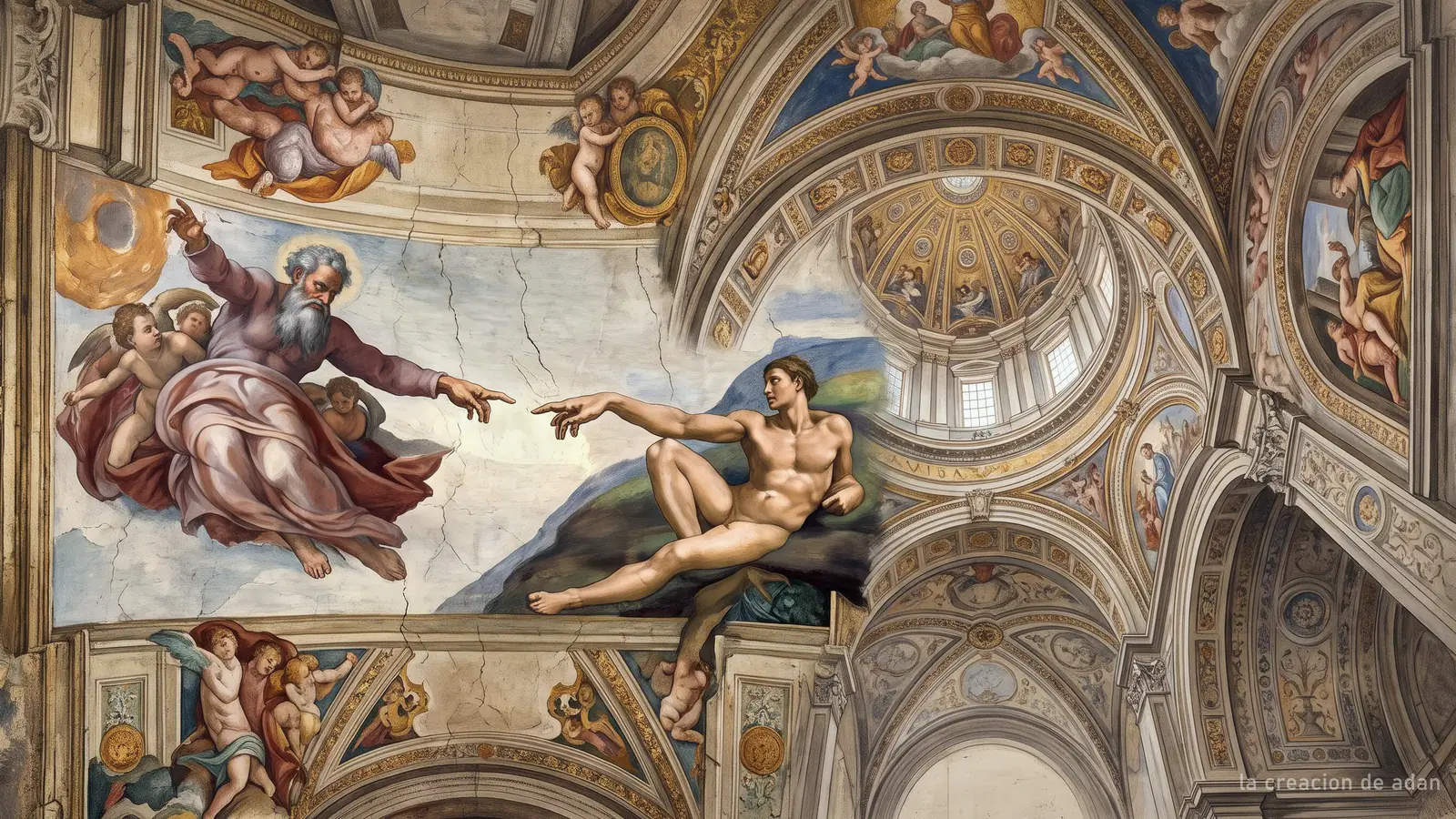
Creation of Adam: What Michelangelo's Fresco Depicts
The Creation of Adam is on the Sistine Chapel ceiling. What it depicts, what the hands of God and Adam mean and how to find it on your visit.
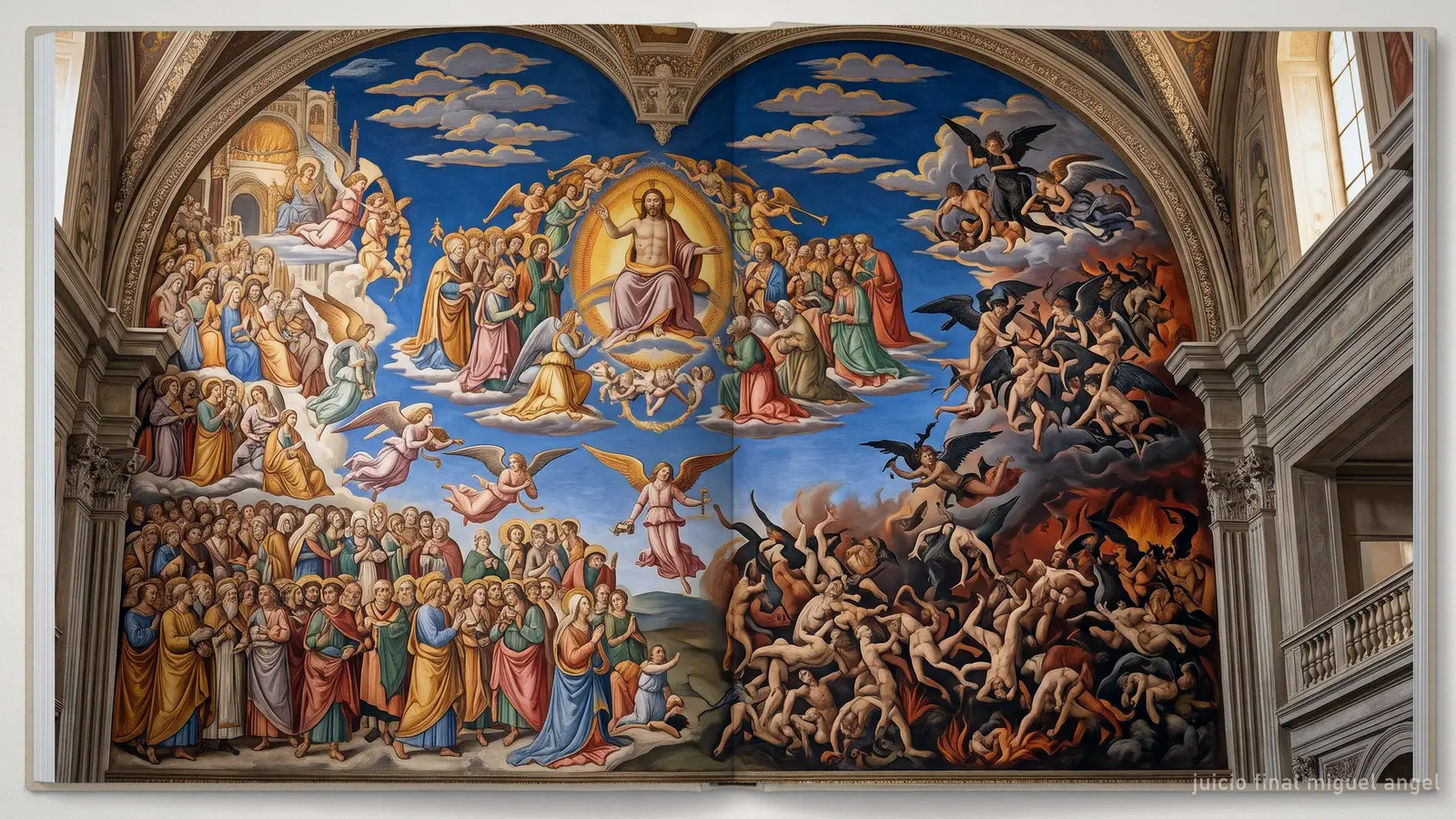
Last Judgment Michelangelo: What It Shows and Where to See It
Michelangelo's Last Judgment covers the Sistine Chapel's altar wall. When he painted it, what it depicts, which details to look for and how to see it.
Works in the Vatican Museums
The Museums were born in 1506, when Julius II placed the Laocoön, freshly discovered on the Esquiline, in the Belvedere Courtyard. These guides tell you where each work is and what makes it special: the Laocoön and His Sons group in the Pio-Clementino Museum, the four Raphael Rooms with The School of Athens, and the Bramante Staircase, which hardly anyone sees because the famous spiral staircase at the end of the route is a different one, Giuseppe Momo's, from 1932.
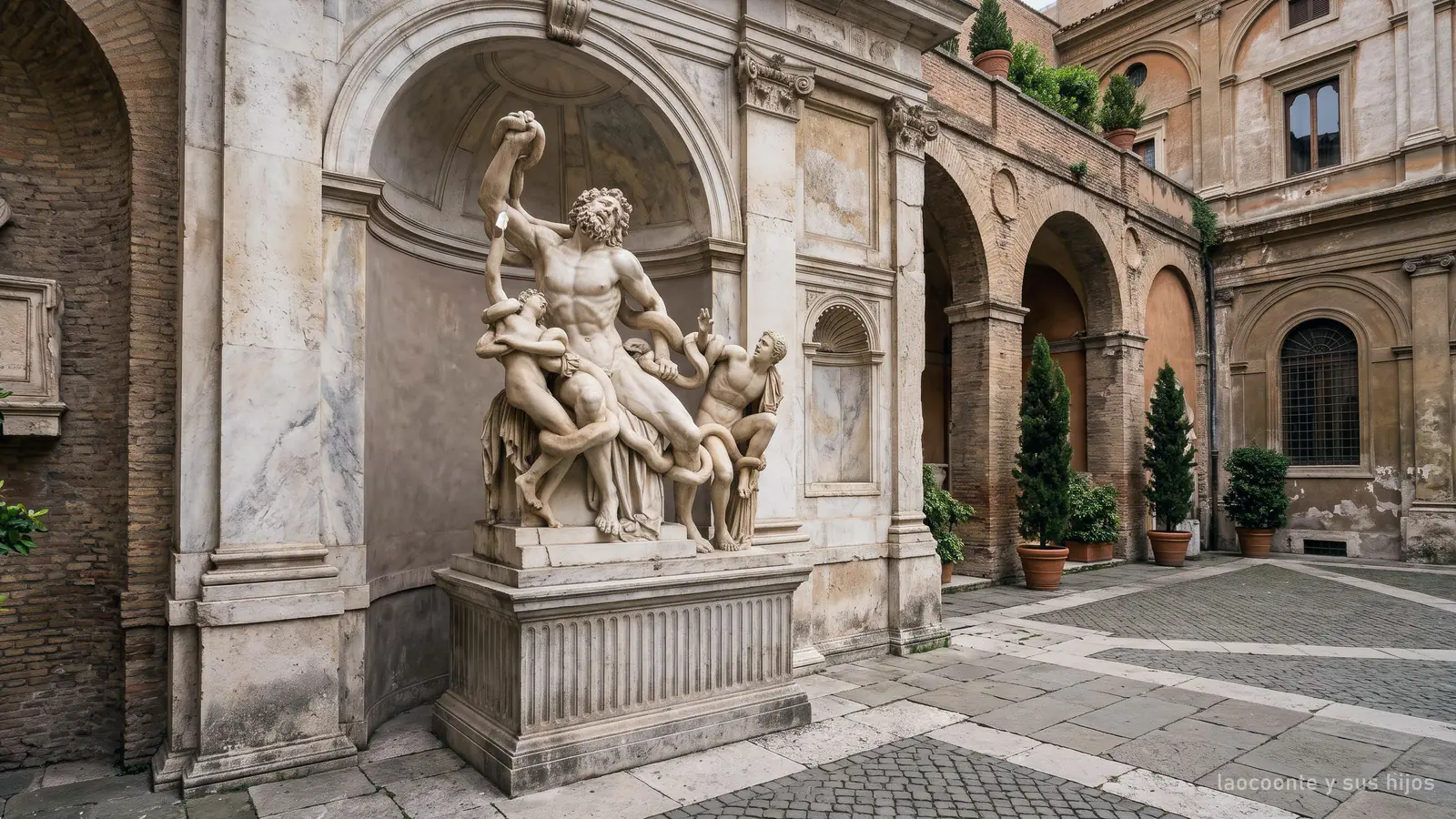
Laocoön and His Sons: Where to See It in the Vatican Museums
Where Laocoön and His Sons is in the Vatican Museums, what the sculpture shows, why the Trojan priest was punished and how to fit it into your visit.
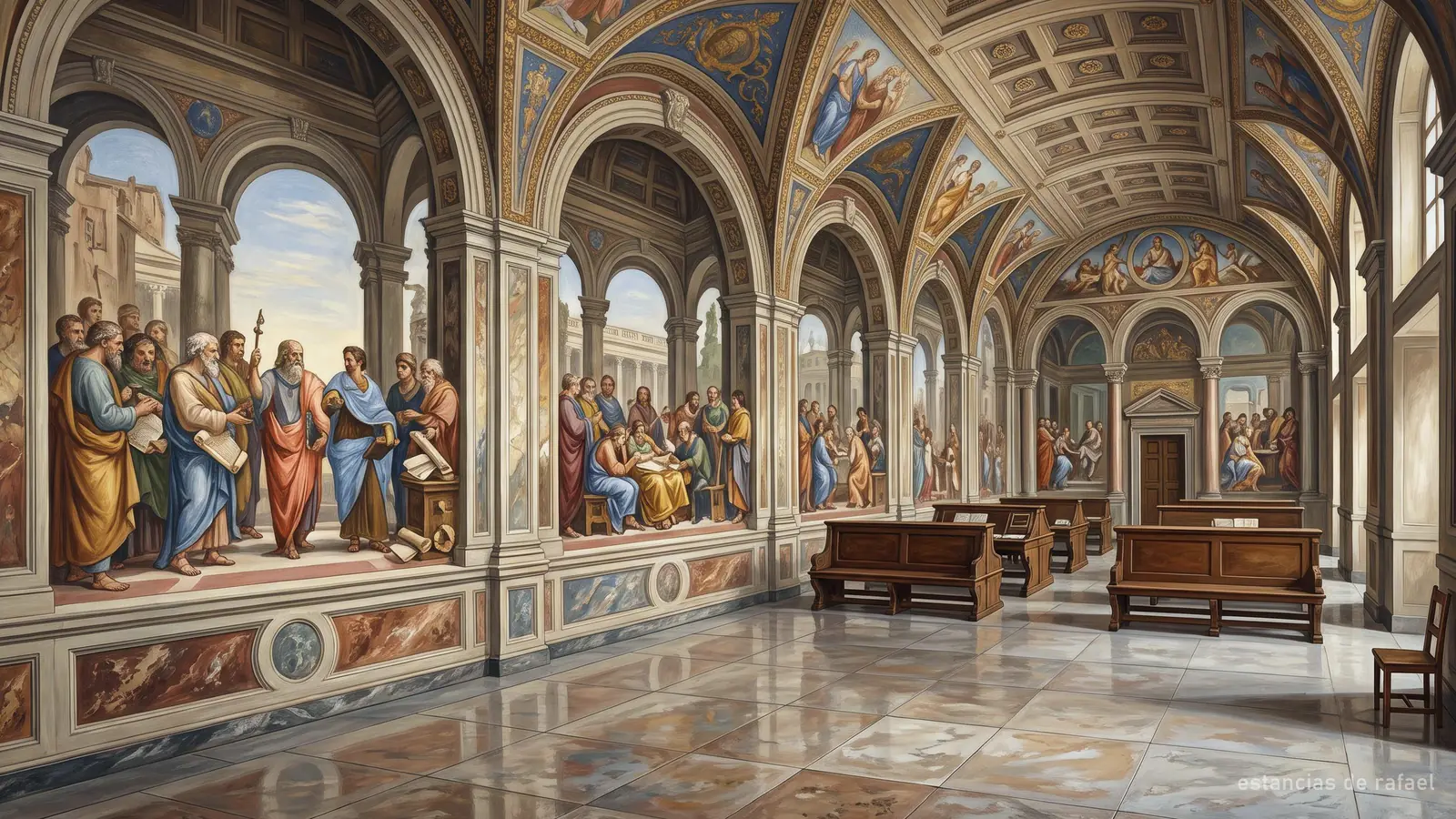
Raphael Rooms: The School of Athens and the Other Rooms
What to see in the four Raphael Rooms: The School of Athens, the Disputation of the Holy Sacrament, The Parnassus and more, and where they fall on the route.
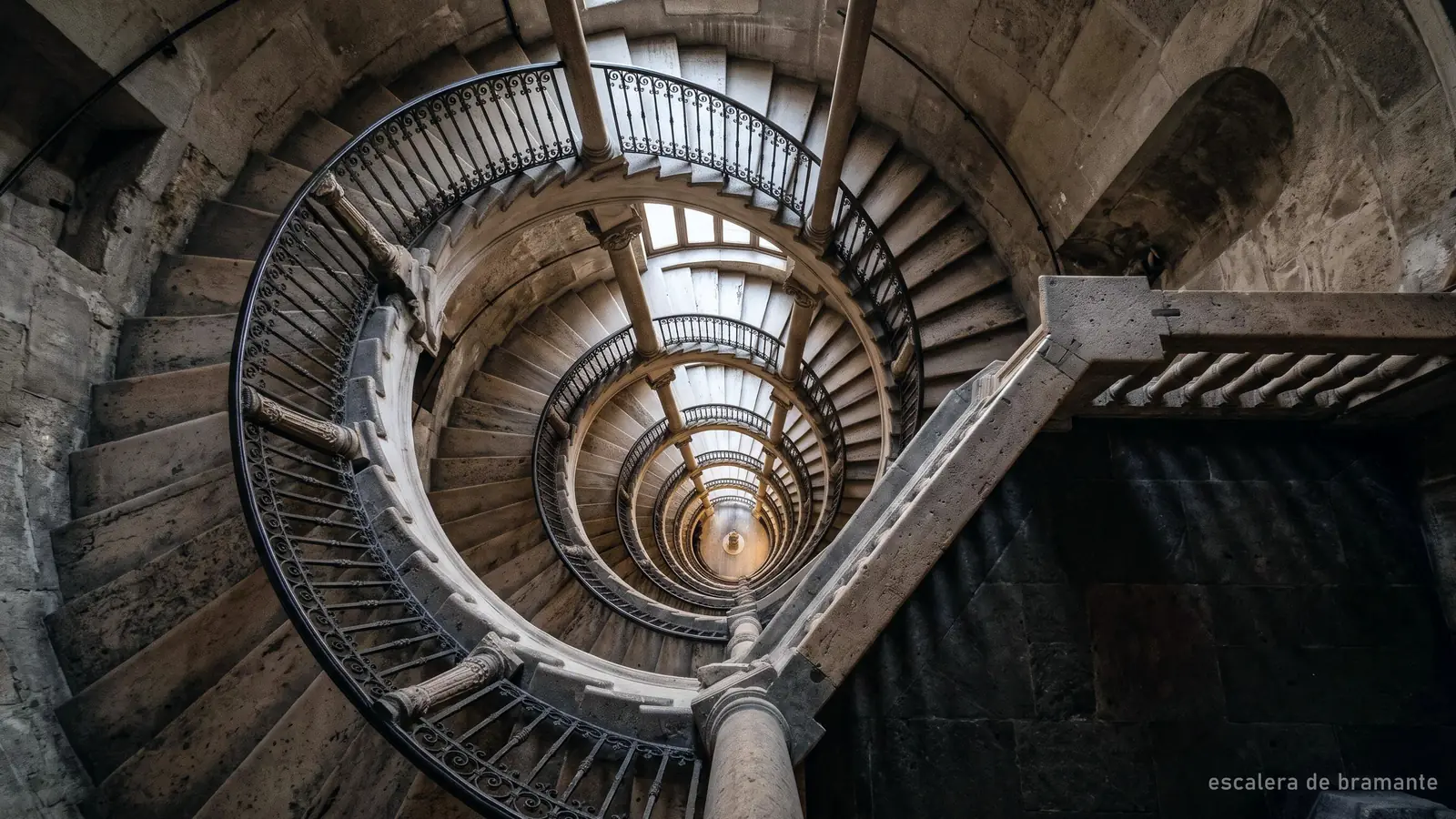
Bramante Staircase: How to See It in the Vatican Museums
The Bramante staircase and the Momo staircase are not the same: which is which, where they are in the Vatican Museums and which one your ticket lets you see.
St Peter's Basilica
The basilica opens every day and charges no entry; you only pay if you climb the dome, 17 € by the stairs or 22 € by lift to the terrace. These guides cover the whole basilica and its main works: Michelangelo's Pietà, Bernini's baldachin over the papal altar and the Holy Door. Also the climb up the dome, with its steps and who should not attempt it, and St Peter's Square, with Bernini's colonnade and the Egyptian obelisk that Caligula set up in his circus.
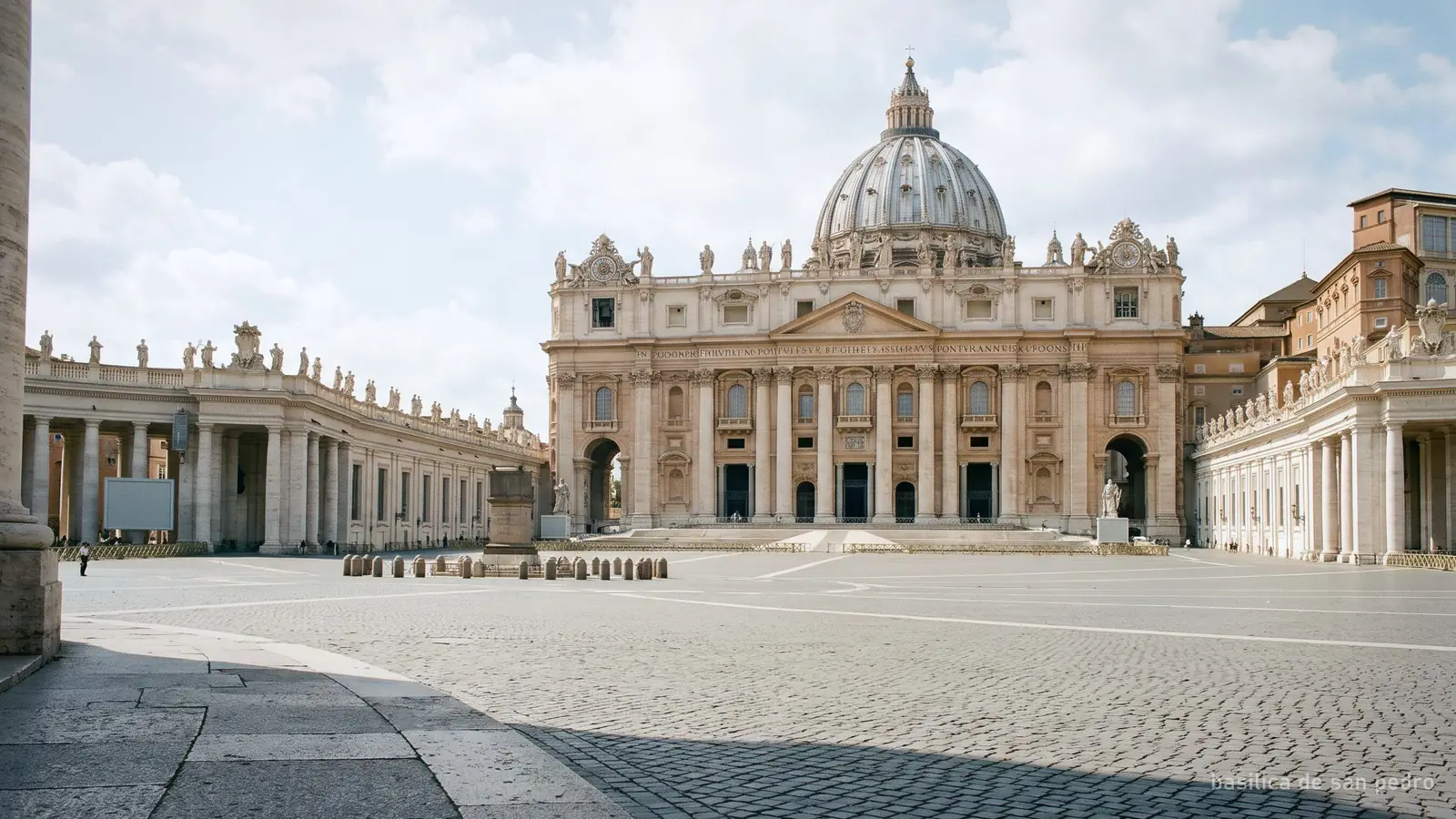
St Peter's Basilica: What to See Inside, Hours and Entry
What to see in St Peter's Basilica: the Pietà, the baldachin, the dome and the grottoes. Free entry, open 7:00 to 19:00, the rules and how to combine it.
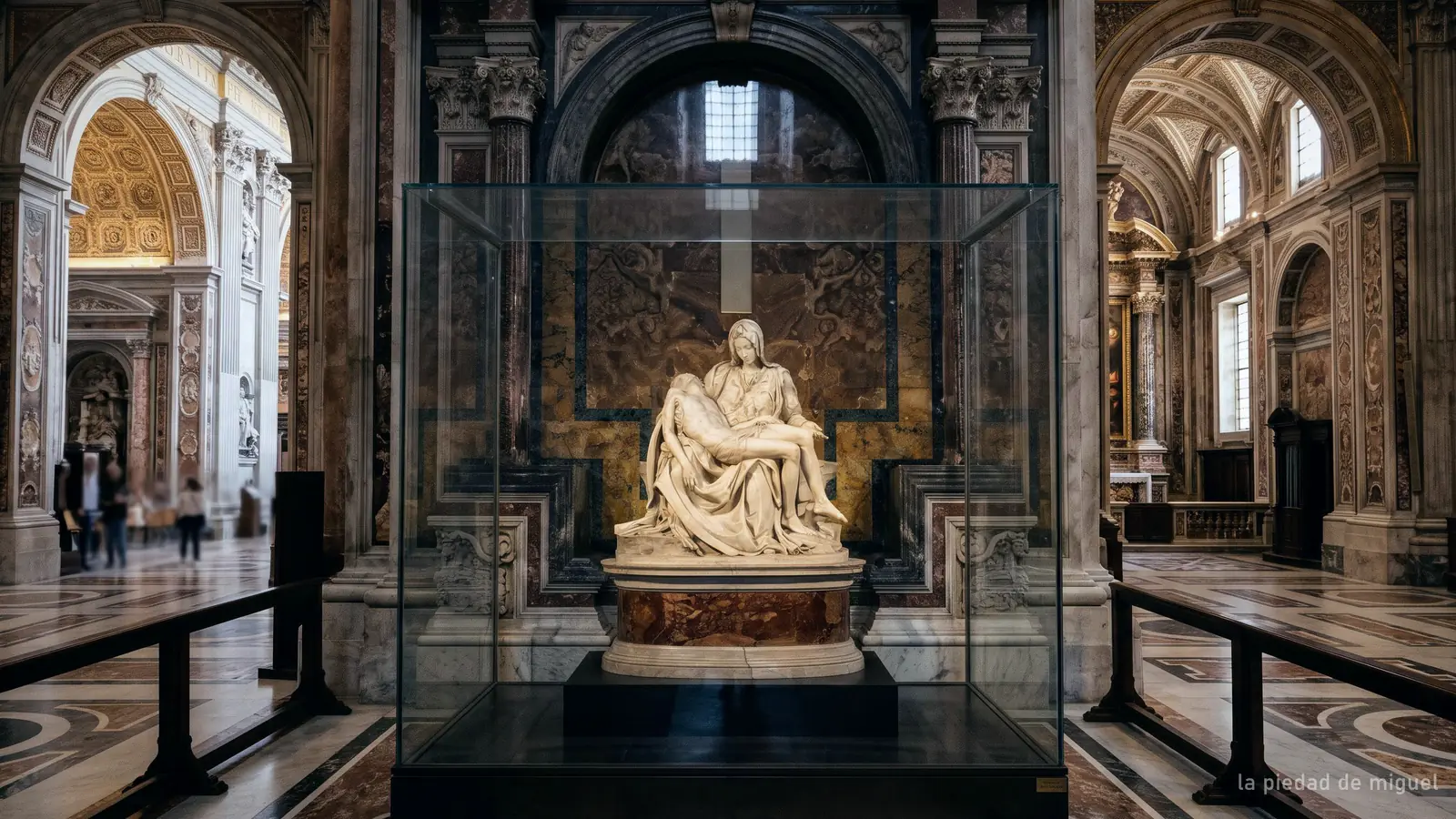
Pietà Michelangelo: Where the Vatican Pietà Is and How to See It
Michelangelo's Pietà is in St Peter's Basilica, in the first chapel on the right. Why it is behind glass, what makes it unique and how to see it for free.
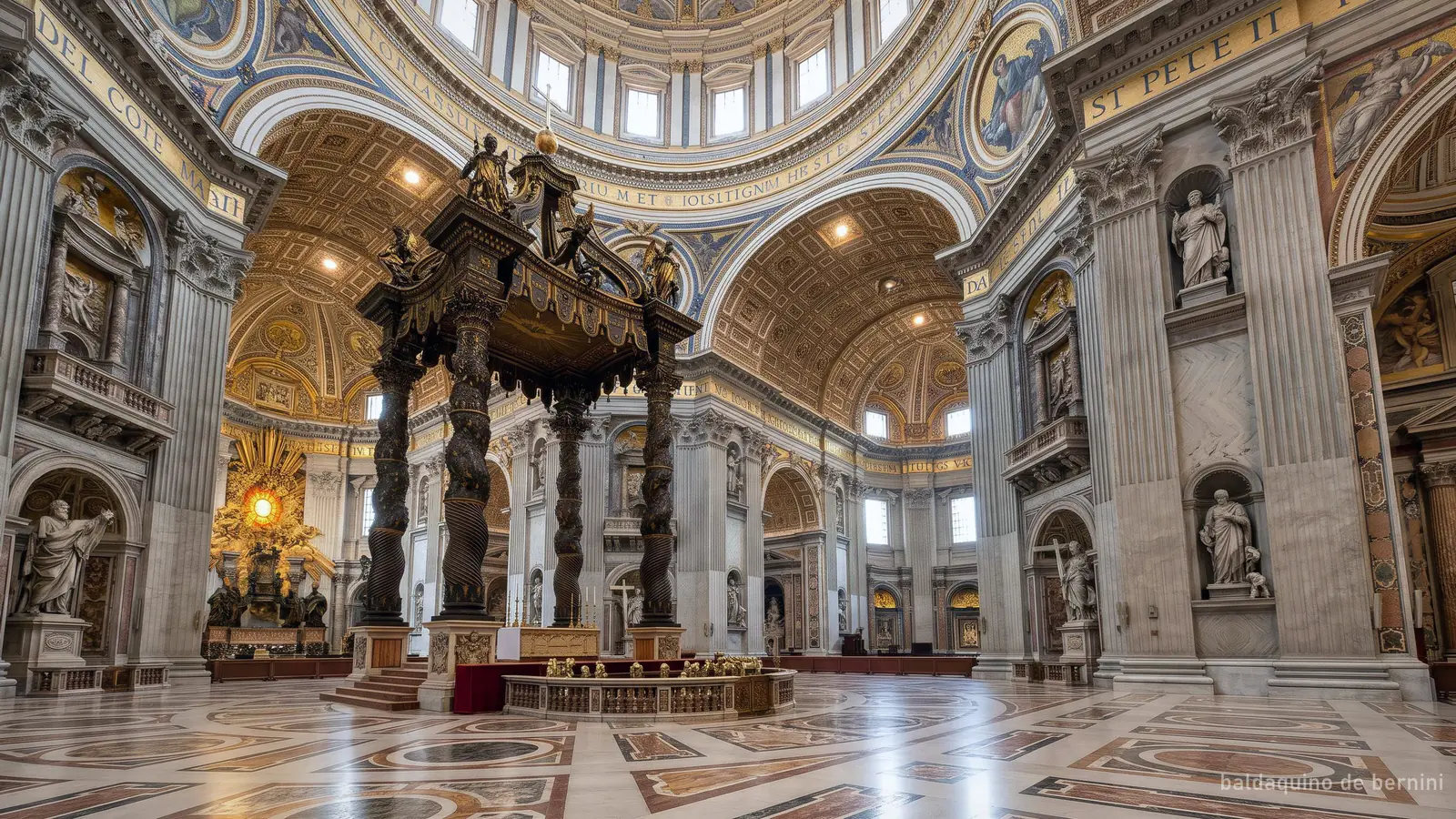
St Peter's Baldachin: Bernini's Baldacchino and How to See It
St Peter's baldachin is Bernini's 28.5 m bronze canopy over the papal altar. What it is, how tall it is, what it symbolizes and how to see it for free.
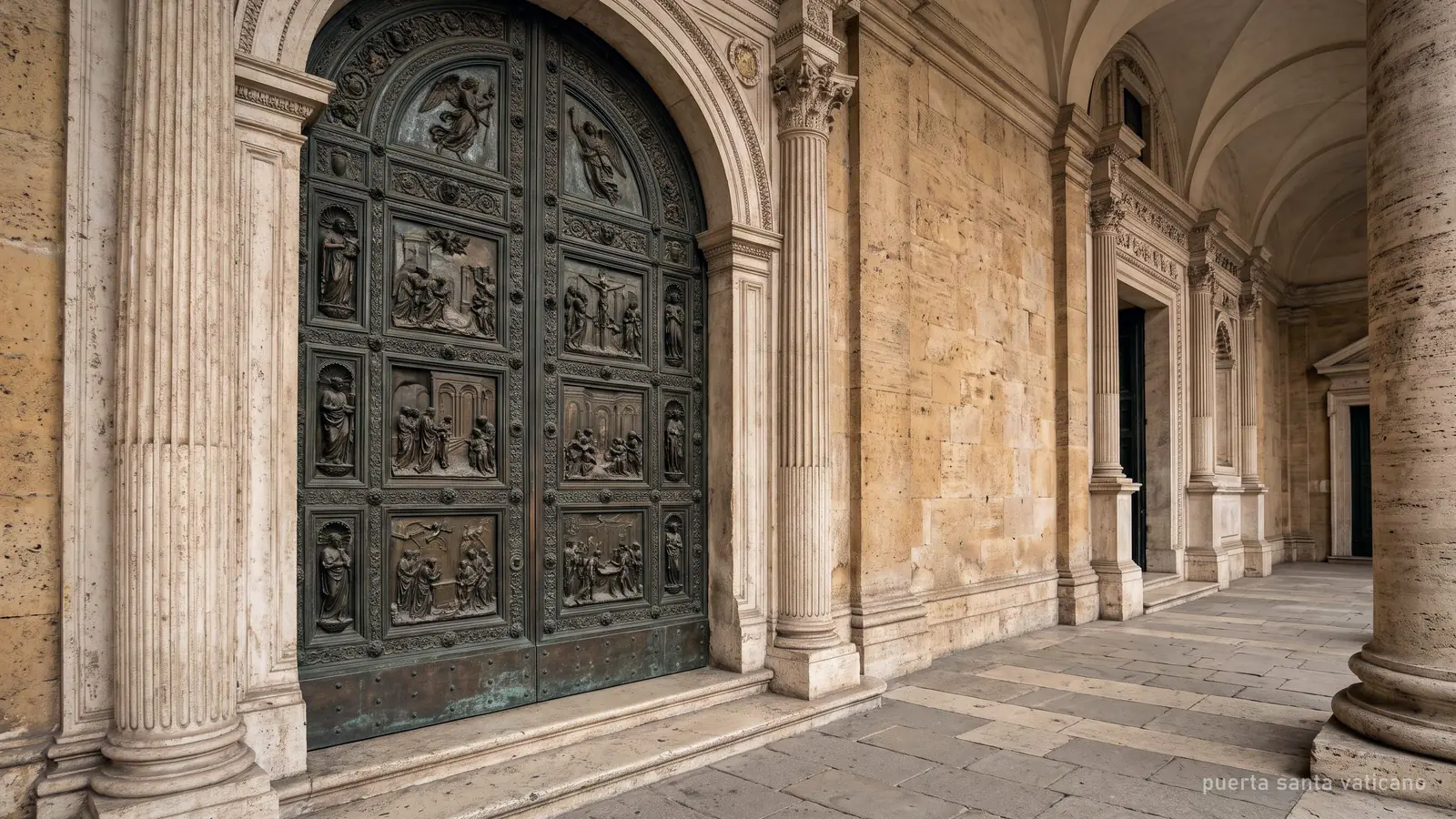
Holy Door, St. Peter's Basilica: What It Is and When It Opens
The Holy Door of St. Peter's Basilica only opens in Holy Years. What it is, where it is, when it opened and closed for Jubilee 2025 and how you walk through it.
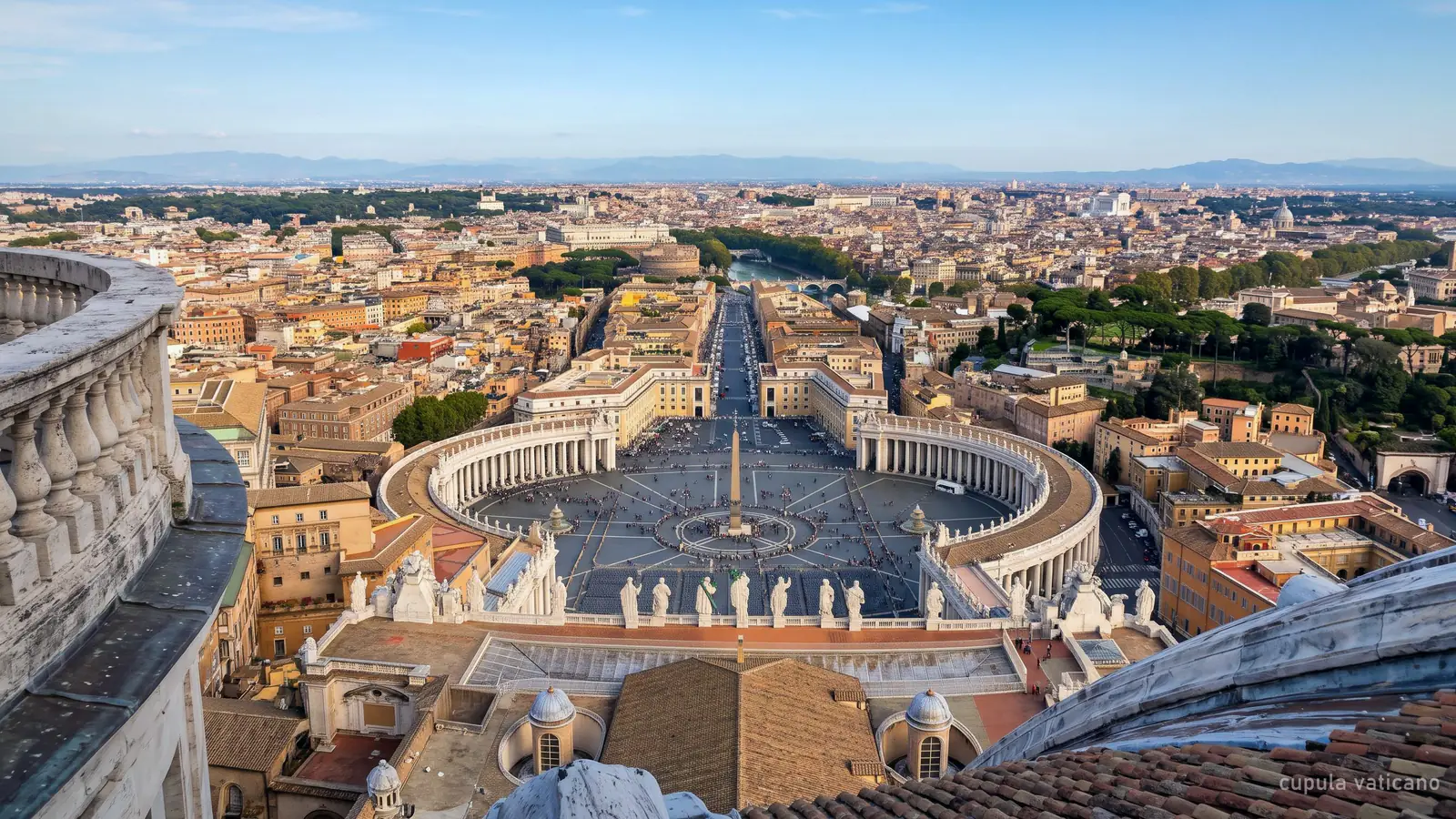
St Peter's Basilica Dome: Steps, Elevator, Price and Hours
Climbing St Peter's Basilica dome: 22 € with the elevator or 17 € by the stairs, about 320 steps from the terrace, open 7:30 to 17:00, and who should skip it.
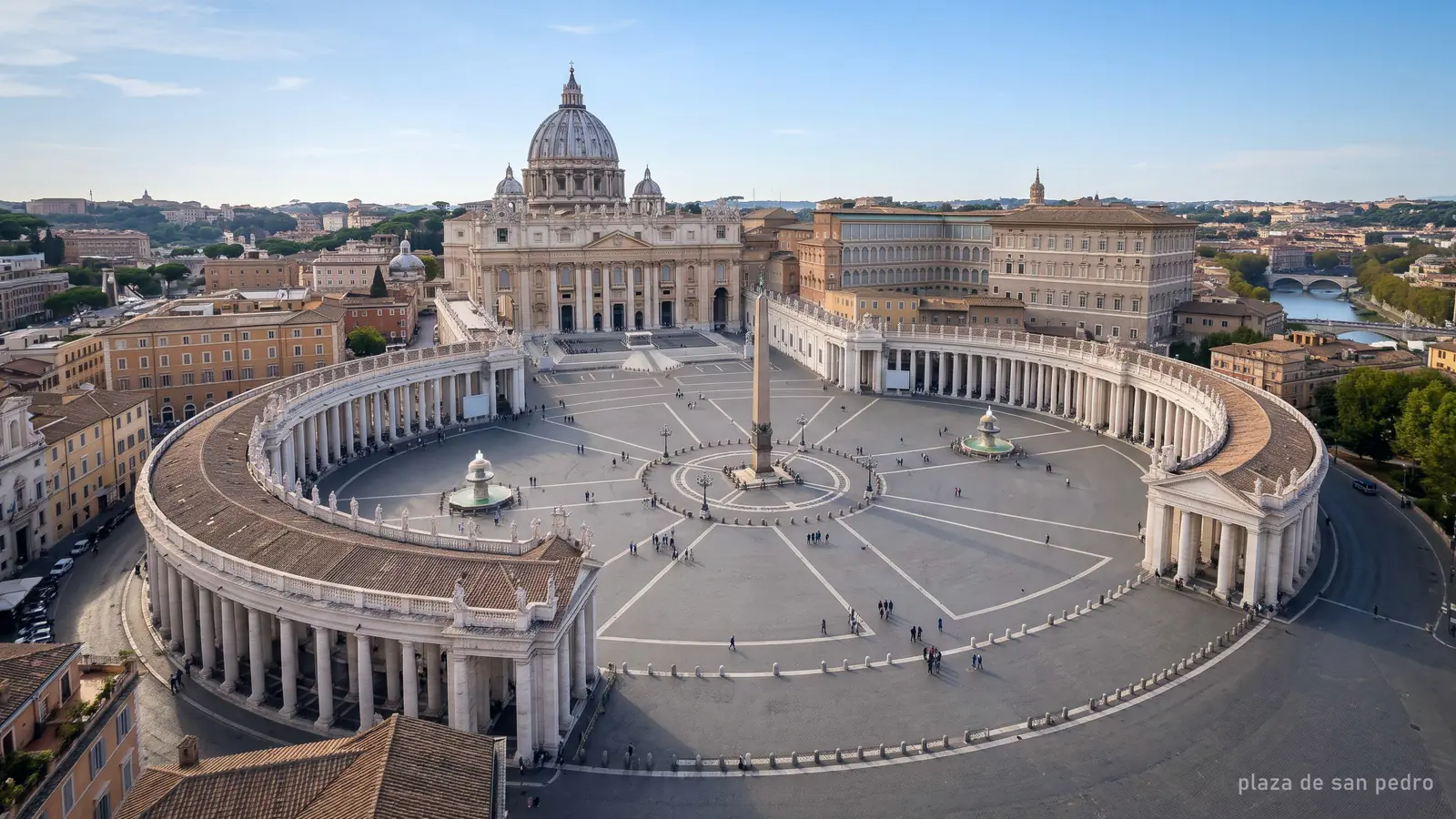
St. Peter's Square, Vatican City: Colonnade, Obelisk, What to See
St. Peter's Square in Vatican City: Bernini's colonnade with 284 columns, the Egyptian obelisk, the fountains, the Angelus and audiences, and how to get there.
Beneath the basilica
Beneath St Peter's Basilica there are two levels that are often confused. The Vatican Grottoes, about 3 meters below the nave, hold the tombs of many popes, from Pius XII to Benedict XVI. Further down, between 5 and 12 meters, lies the Roman necropolis with St Peter's tomb, which can only be visited with a reservation on the basilica's official website and in groups of ten to fifteen people. These guides explain what is on each level and how to get in.
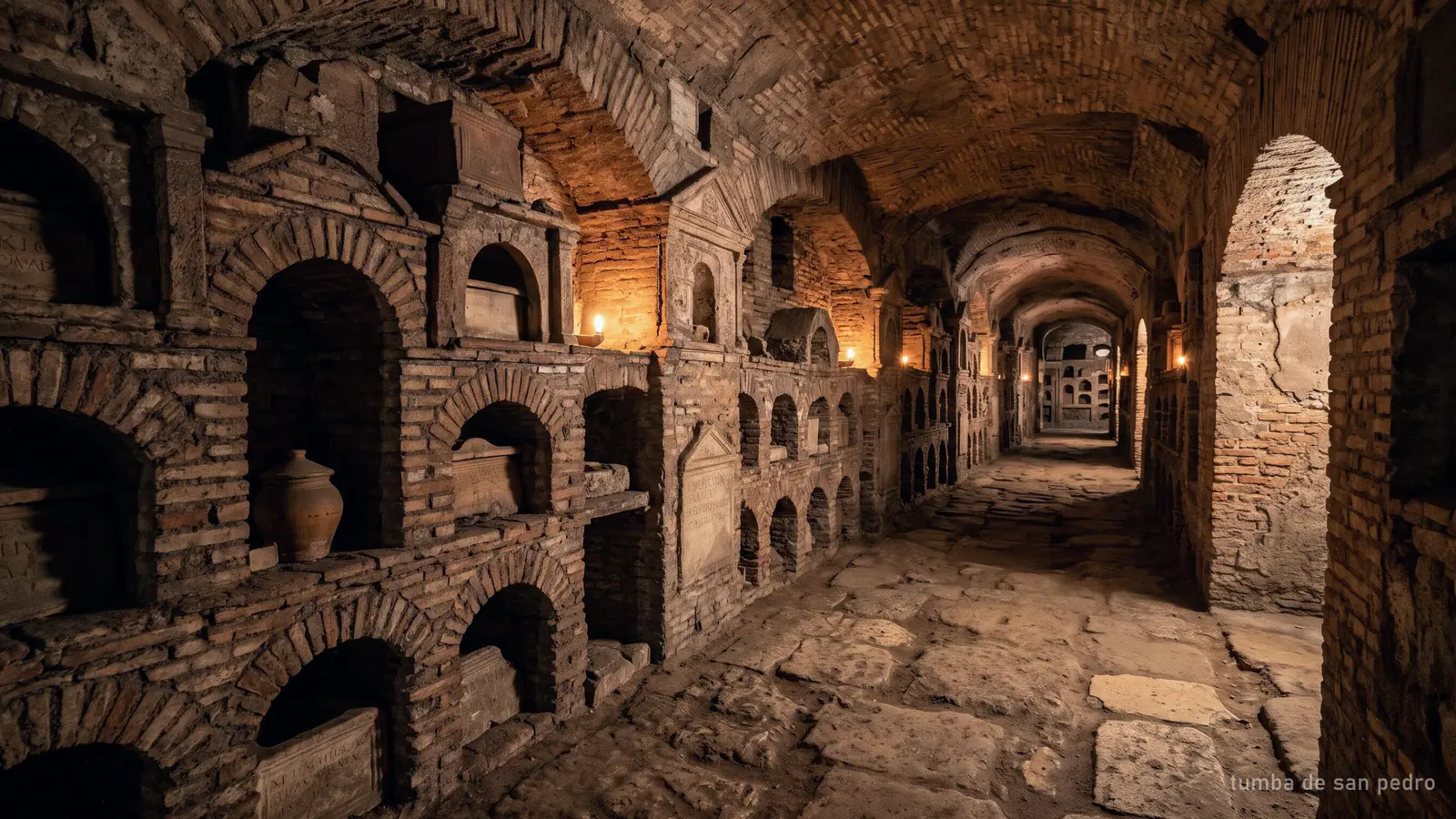
Tomb of St. Peter: How to Visit the Vatican Necropolis
How to visit the tomb of St. Peter in the Vatican Necropolis: what it is, booking the Scavi tour, what the visit is like and how it differs from the grottoes.
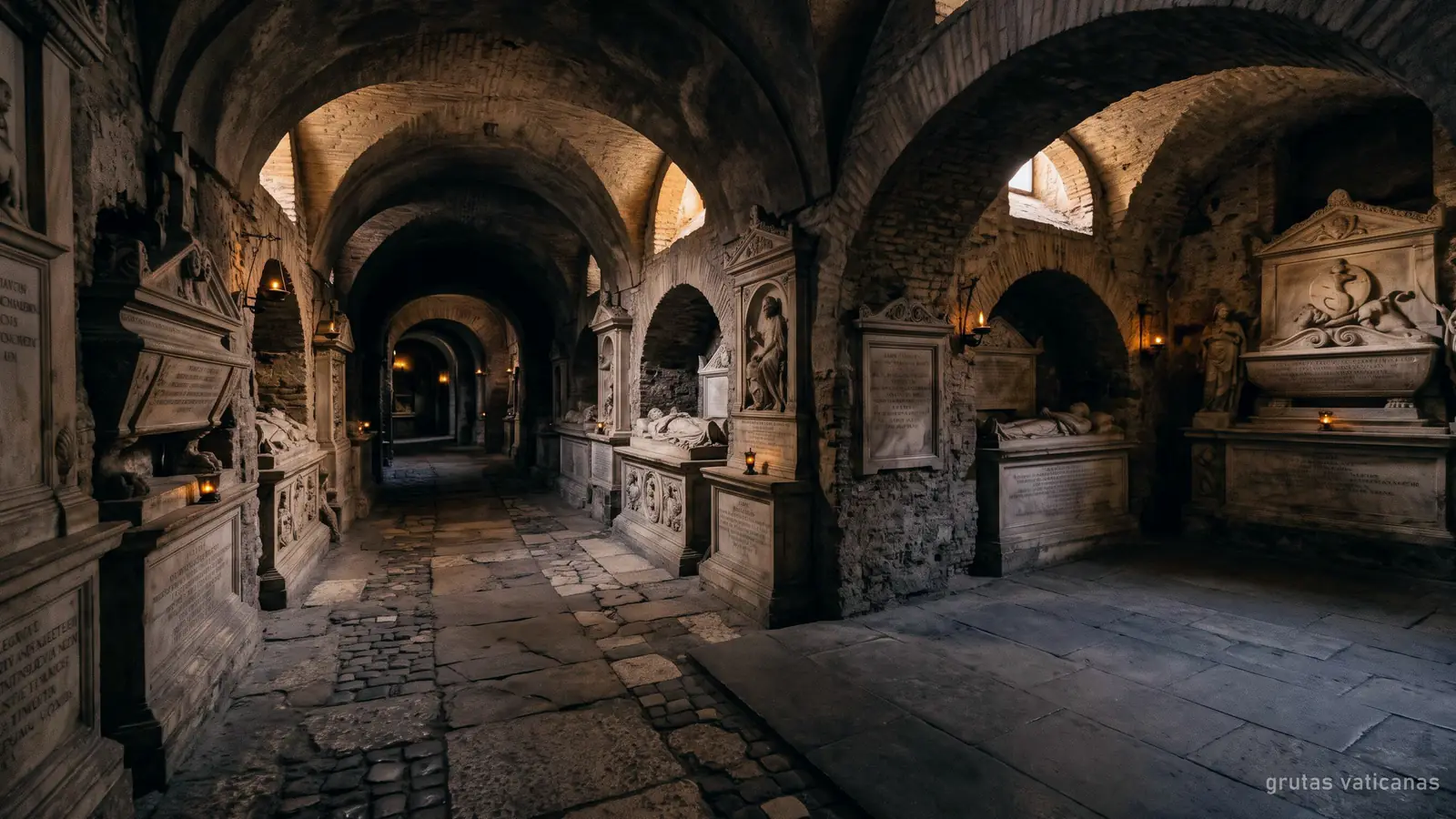
Vatican Grottoes: What They Are and Which Popes Lie There
What the Vatican Grottoes under St Peter's Basilica are, which popes and royals are buried there and how you get in as part of a basilica visit.
Gardens and Castel Gandolfo
The Vatican Museums run two green visits that are not part of their regular ticket. The Vatican Gardens, about 22 hectares (54 acres), half the state, can only be seen on an organized visit, on foot with a guide or by electric bus. The Papal Palace of Castel Gandolfo, the popes' summer residence by Lake Albano, has its own 12 € ticket. Here is how to book each one and what you see.
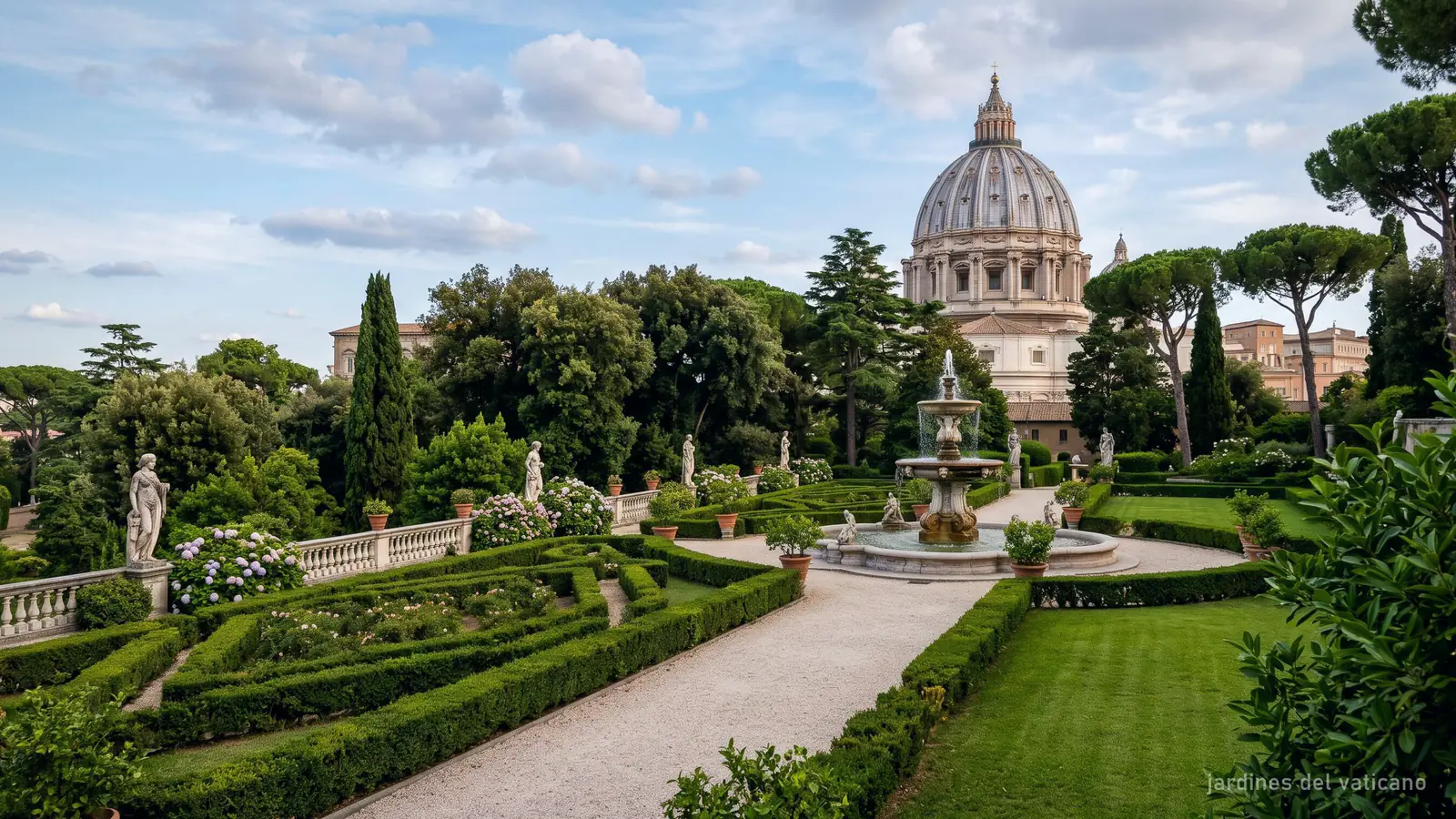
Vatican Gardens: How to Visit and What You Will See
How to visit the Vatican Gardens: only on a tour run by the Vatican Museums, which fountains and buildings you see in their 22 hectares and where to book.
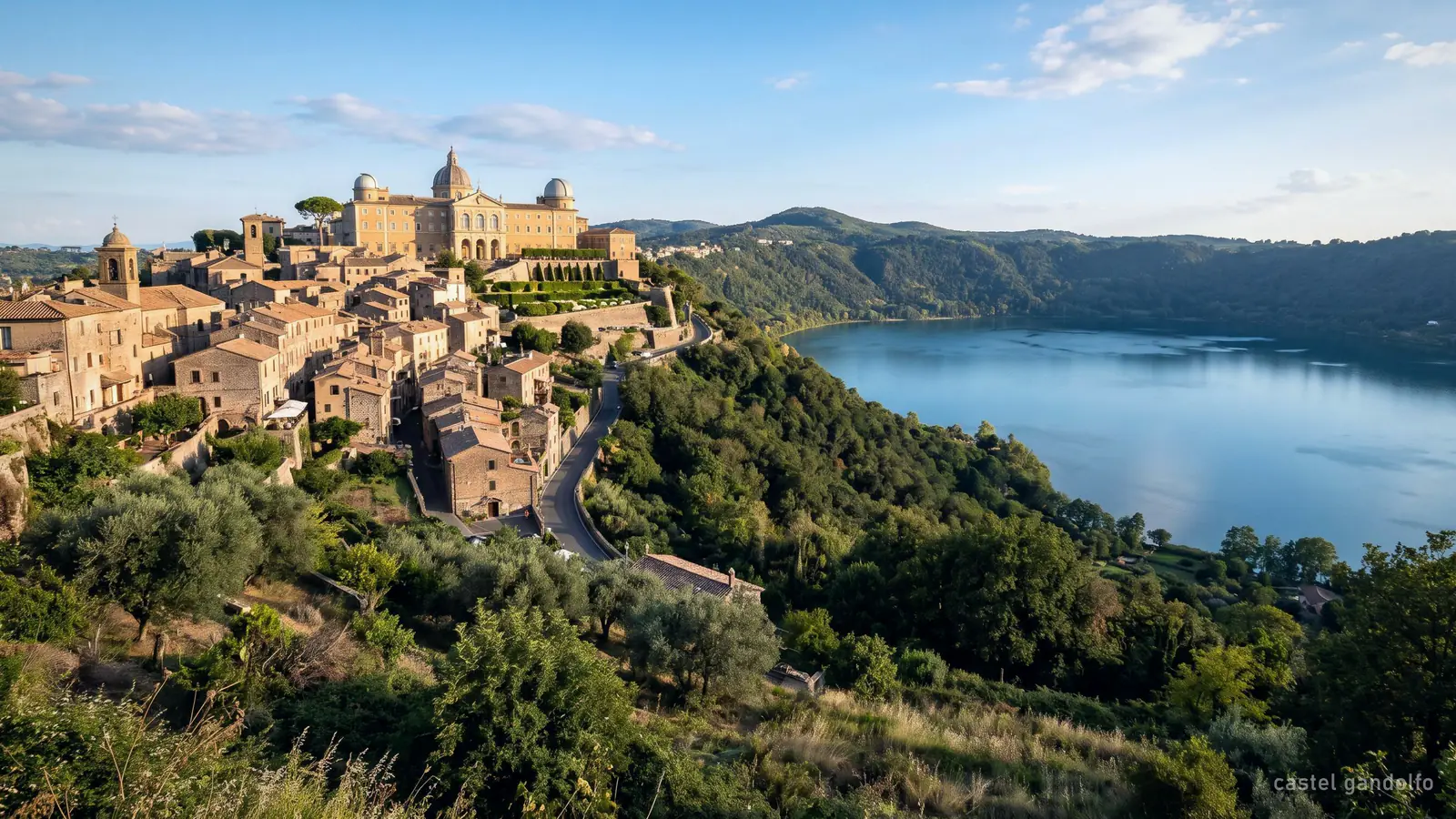
Castel Gandolfo: How to Visit the Papal Palace and Gardens
How to visit Castel Gandolfo: what you see in the Papal Palace and the Secret Garden, what the ticket costs (12 €) and how to get there from Rome.
The smallest state in the world
The Vatican has been a country since the Lateran Pacts of 1929: 0.44 km² inside Rome and 882 residents according to its official 2024 data. These guides answer what almost everyone wonders before going: whether it is a country, how big it is and who lives there; how it became a state; who the Swiss Guard are, guarding its entrances since 1506; and what currency it uses, where to buy its stamps and whether they stamp your passport.
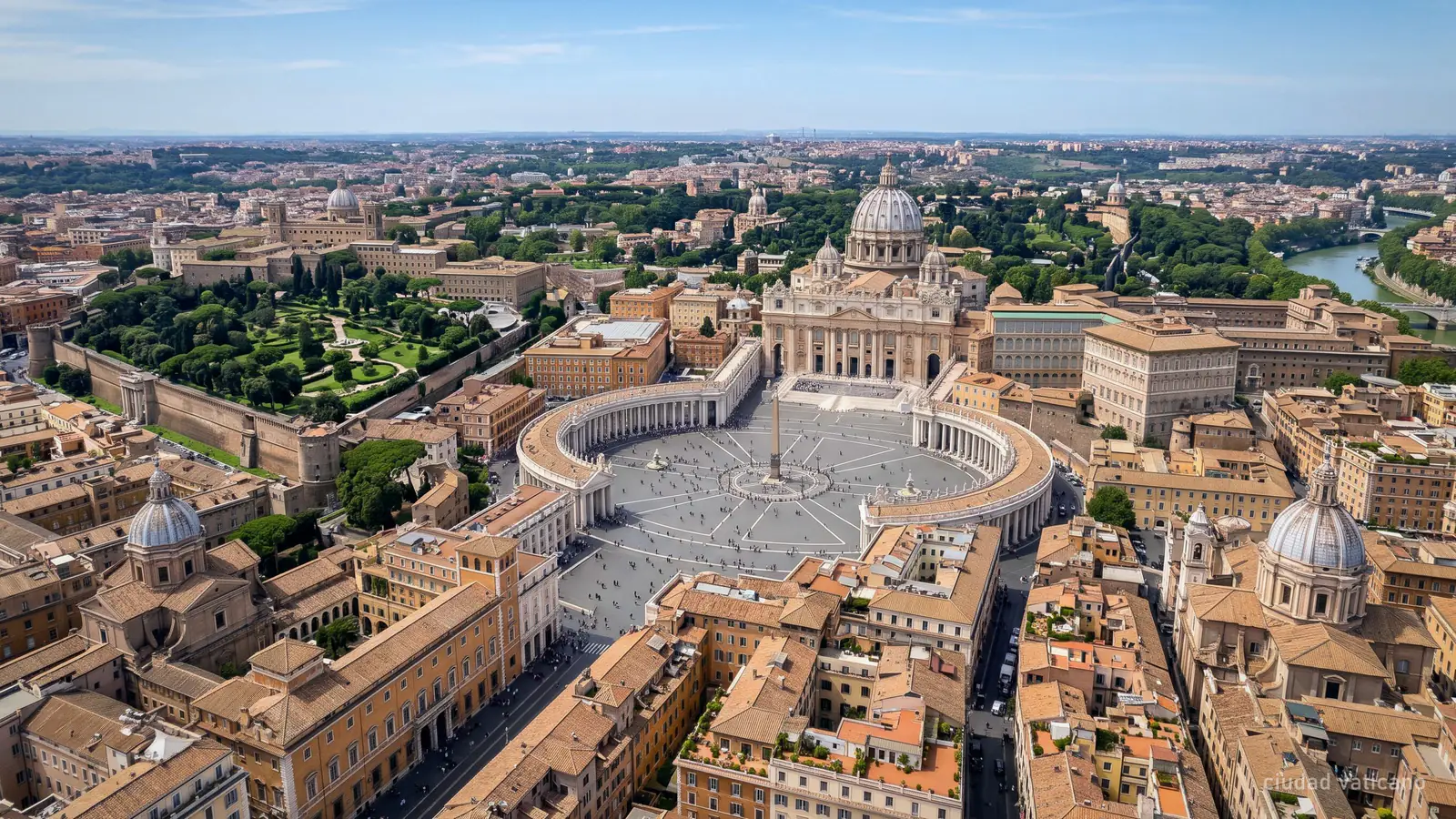
Vatican City: What It Is, Where It Is and How Big It Is
Is Vatican City a country? Yes: the world's smallest state, 0.44 km² inside Rome with 882 residents. Where it is, who governs it and what you can visit.
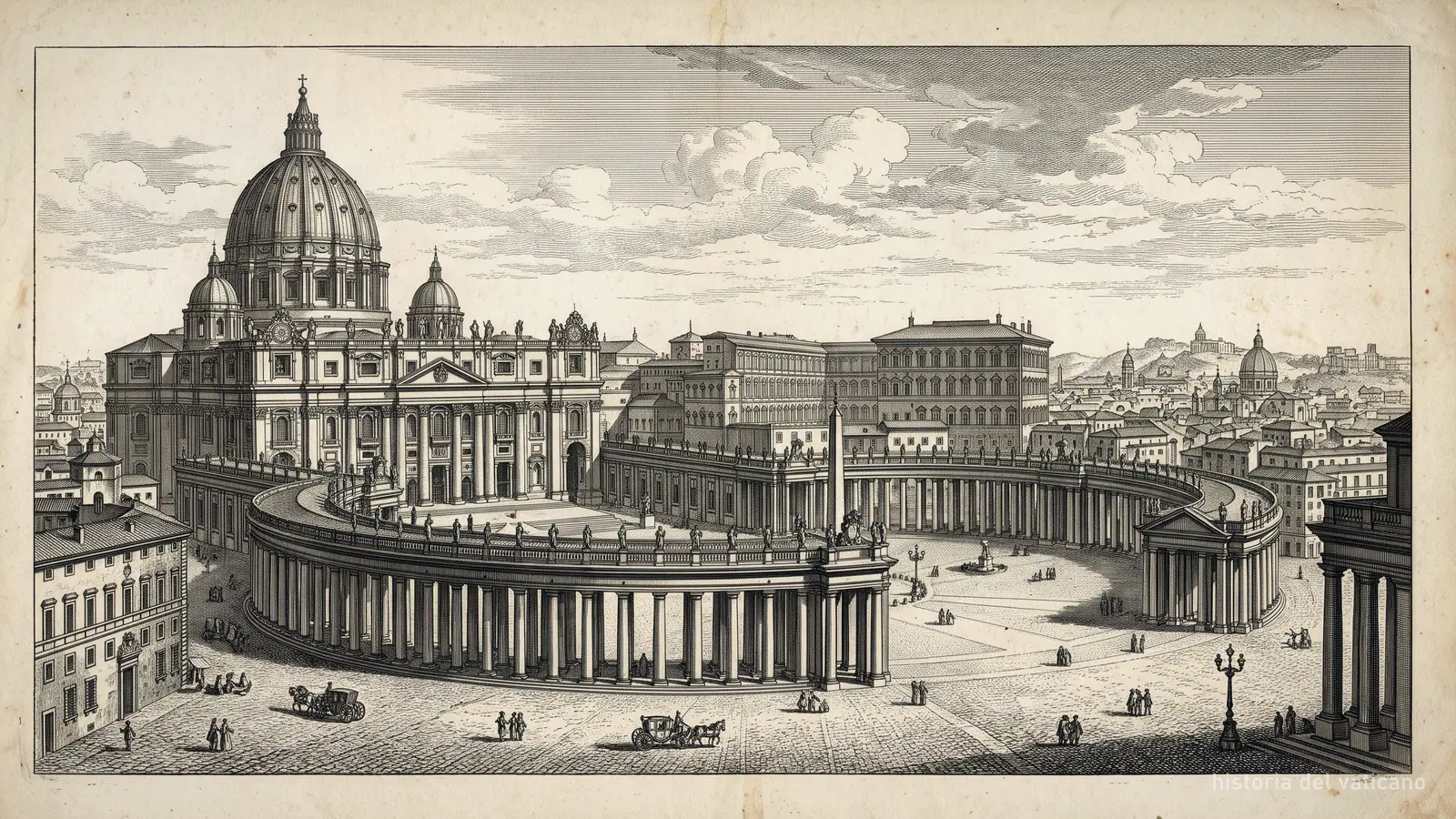
Vatican History: From the Vatican Hill to Today
Vatican history in brief: Nero's circus and Peter's tomb, the basilica, the Papal States, the Lateran Pacts and the Vatican Museums since 1506.
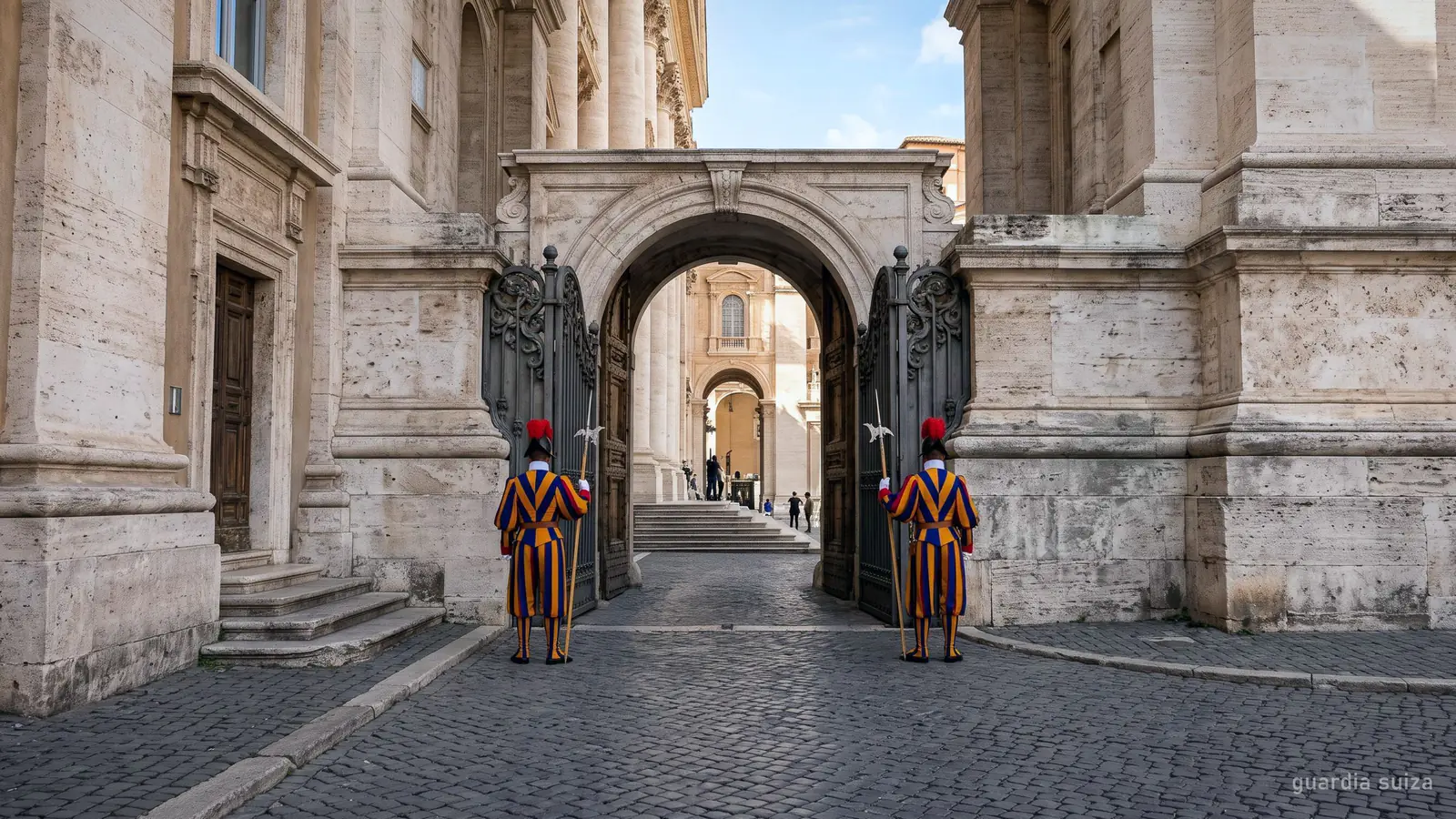
Vatican Swiss Guard: History, Uniform and Where to See Them
What the Pontifical Swiss Guard is, why Julius II founded it in 1506, what happened in the 1527 Sack of Rome, where its uniform comes from and where to see it.
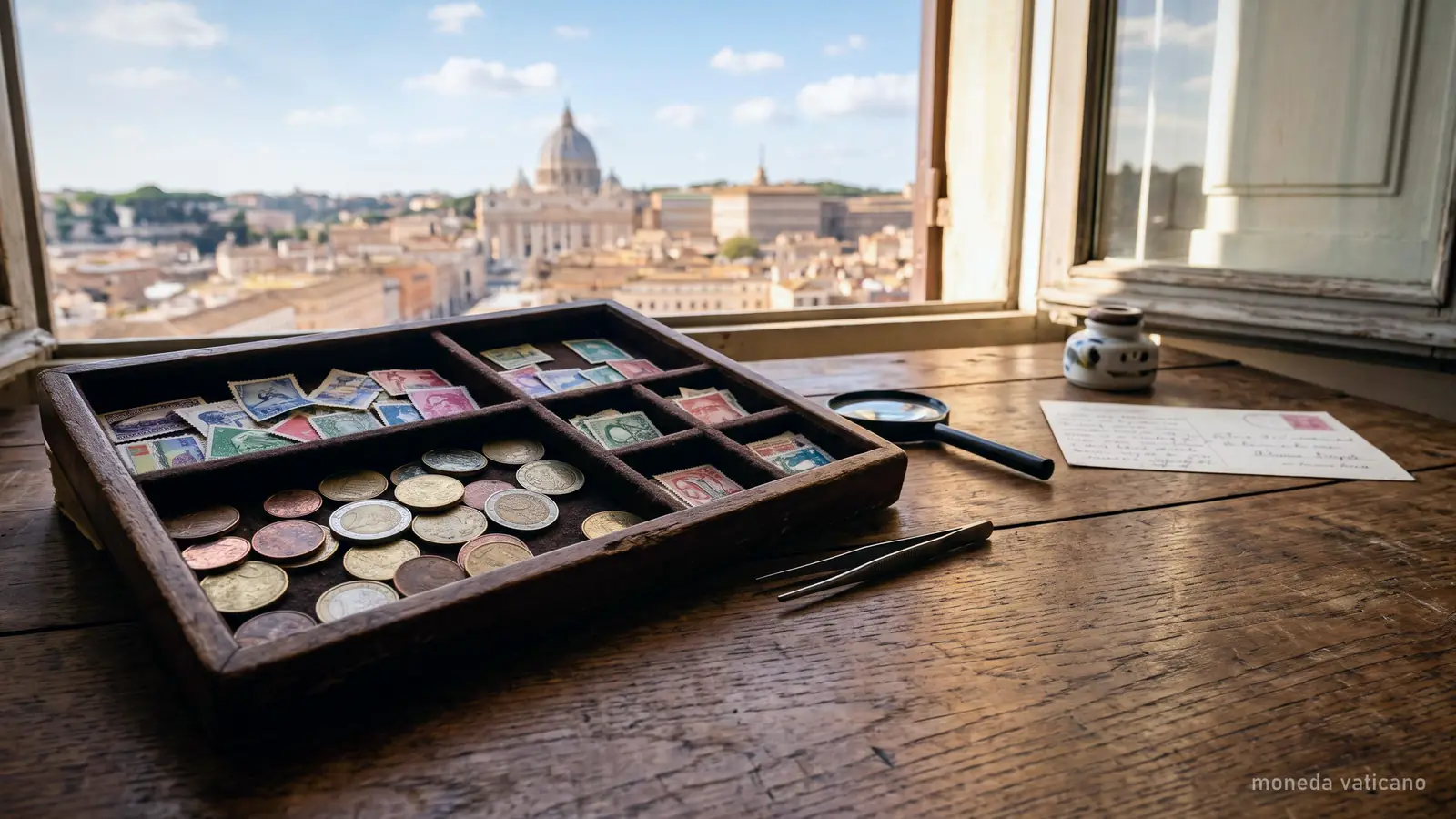
Vatican Stamps and Coins: Euros, Poste Vaticane and Postcards
Vatican stamps and coins: what currency the Vatican uses, its euro series (and Leo XIV's 2026 set), where to buy Poste Vaticane stamps and passport stamps.
Frequently asked questions
What should I see in the Vatican if I only have one day?
The Vatican Museums with the Sistine Chapel, which share a ticket, and St Peter's Basilica with its square. The basilica charges no entry, and the dome is optional. The necropolis and the Gardens need a separate reservation and are usually left for another day.
Does one ticket cover the whole Vatican?
No. The Vatican Museums ticket includes the Sistine Chapel, but not St Peter's dome, the necropolis, the Gardens or Castel Gandolfo, which have their own ticket or reservation. The basilica and the square charge no entry.
Is there a dress code to get in?
Yes. The Museums, the Sistine Chapel, the basilica and the Gardens ask for covered shoulders and trousers or a skirt below the knee, no caps. The rule applies to everyone.
Are these guides from the official Vatican website?
No. We are an independent guide. We cite the official websites of the Vatican Museums, St Peter's Basilica and the Vatican City State, and we sell third-party tickets and tours. The only official ticket shop for the Museums is tickets.museivaticani.va.